
Living in Judea – A Comprehensive Guide to Building Life in the Heartland of Israel
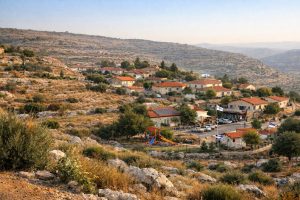 Living in Judea is more than a residential decision. It is a commitment to history, community, faith, and national continuity. For many Jewish families, living in Judea represents a return to ancestral roots, a daily connection to Tanach, and participation in one of the most dynamic and growing regions in Israel today. This guide examines living in Judea from a practical, social, financial, and spiritual perspective, offering a clear understanding of what daily life truly involves.
The Historical and Spiritual Foundations of Living in Judea
Judea in Jewish History
Living in Judea places you inside the geography of the Bible. This is the land of the Patriarchs and Matriarchs, the setting of Davidic kingship, and the core territory of ancient Jewish sovereignty. Cities such as Hebron and Beit El appear repeatedly in Tanach and Jewish tradition.
For many families, living in Judea means that weekly Torah reading corresponds to visible landmarks outside their windows. This alignment between text and terrain creates a strong educational and spiritual environment for children.
Connection to the Land
The hills of Judea are rugged, elevated, and expansive. Terraces, vineyards, olive groves, and open landscapes define the region. Living in Judea allows residents to experience physical space rarely available in central Israel. The sense of openness contrasts sharply with the density of cities such as Tel Aviv or Jerusalem.
From a Jewish perspective, settling and developing the land is viewed not only as a civic act but as a mitzvah. For many residents, this worldview shapes their long-term commitment to living in Judea.
H2: Geography and Key Areas in Judea
The Gush Etzion Bloc
One of the most established areas for living in Judea is Gush Etzion. Communities such as Efrat and Alon Shvut are known for strong Anglo communities, educational institutions, and proximity to Jerusalem.
Living in Judea within Gush Etzion offers a balance between ideological commitment and practical convenience. Commute time to Jerusalem can be under 20 minutes, making employment access realistic.
The Hebron Hills and Southern Judea
Further south, communities in the Hebron Hills emphasise pioneering spirit and agricultural development. Living in Judea in this region often means larger plots of land and quieter environments.
Families choosing this area typically prioritise space, ideological clarity, and strong communal bonds over urban convenience.
Eastern Judea and the Desert Edge
Eastern Judea borders the Judean Desert. Communities here experience dramatic landscapes and strong internal cohesion. Living in Judea in these areas requires comfort with relative isolation but offers unmatched natural beauty.
Community Structure and Social Life
Tight-Knit Communities
One defining feature of living in Judea is communal life. Most towns operate with active local committees, youth movements, Torah classes, and volunteer emergency response units.
Neighbours know each other. Shabbat meals rotate between families. Children move freely within defined boundaries. This level of trust is often cited as a core benefit of living in Judea.
Religious Diversity Within Commitment
Communities range from Religious Zionist mainstream to more Torah-focused environments. While religious observance is central, there is diversity in style and emphasis. Living in Judea does not mean uniformity; it means shared foundational values.
Education and Youth Development
Schools are a central pillar. Many communities host strong yeshivot, ulpanot, and pre-army academies. Youth movements play a significant role in identity formation. Living in Judea therefore often strengthens religious and national identity in the next generation.
H2: Housing and Real Estate Considerations
Types of Housing
Living in Judea typically involves detached homes, duplexes, or small apartment buildings. Private gardens are common. Expansion possibilities are often greater than in central Israel.
Compared to central urban areas, square metre value is often more favourable. However, supply is limited and demand remains high within established blocs.
Pricing Dynamics
Prices vary by location. Proximity to Jerusalem, road access, and security infrastructure all influence valuation. Living in Judea within large blocs tends to command higher prices than smaller, remote communities.
Buyers should evaluate long-term infrastructure plans, zoning status, and resale liquidity.
Development and Infrastructure
Road networks have expanded significantly in recent years. Security systems, public transportation routes, and commercial centres continue to develop. Living in Judea today is not what it was 20 years ago; infrastructure has matured substantially.
Employment and Economic Life
Commuting Patterns
Many residents commute to Jerusalem or central Israel. Living in Judea requires realistic assessment of daily travel time. For Jerusalem-based professionals, commute times are manageable from many communities.
Remote Work and Entrepreneurship
The rise of remote work has strengthened living in Judea as a viable option for professionals in tech, consulting, education, and digital services. Home offices with views of the hills replace city towers.
Local Employment
Agriculture, education, security, construction, and local services form the backbone of internal employment. Some residents operate small businesses serving the local population.
Security and Resilience
Reality and Preparedness
Living in Judea involves awareness of regional tensions. Communities maintain security protocols, guarded entrances, and trained civilian units.
Preparedness is integrated into daily life. For many residents, this strengthens solidarity rather than deterring commitment.
Psychological Resilience
Families living in Judea often describe a strong sense of purpose. Shared challenges create durable social bonds. Children grow up with awareness of responsibility and collective identity.
Lifestyle Advantages of Living in Judea
Space and Nature
The landscape supports hiking, farming, and outdoor activities. Living in Judea provides access to open air and natural beauty not available in urban centres.
Family-Oriented Environment
Large families are common. Community norms support child-friendly environments, youth programming, and intergenerational connection.
Simplicity and Focus
Life rhythm is slower. Commercial distraction is lower. Living in Judea can create space for Torah study, family development, and communal contribution.
Challenges to Consider
Limited Urban Amenities
Shopping centres, cultural institutions, and specialised medical services may require travel. Living in Judea demands comfort with fewer immediate conveniences.
Political Complexity
International political narratives impact perception and sometimes economic investment. Families must be clear about their ideological motivations.
Resale and Liquidity
While demand within certain communities is strong, liquidity can vary by location. Living in Judea as an investment decision requires careful market analysis.
Who Thrives When Living in Judea?
Ideologically Motivated Families
Families seeking to raise children within a strong Jewish-national framework often thrive most. Living in Judea reinforces values through environment.
Nature-Oriented Individuals
Those who prioritise landscape, quiet, and physical space over nightlife and urban culture adapt well.
Community Builders
Individuals who want to contribute—whether through education, security volunteering, or communal leadership—find opportunity in living in Judea.
Long-Term Outlook for Living in Judea
Demographic Growth
Population growth continues steadily. New neighbourhoods and infrastructure projects signal long-term commitment to expansion.
Infrastructure Expansion
Road upgrades and regional planning initiatives improve connectivity. Living in Judea becomes more accessible each year.
Generational Continuity
Children raised here often choose to remain. Living in Judea is not a temporary experiment for many families; it becomes multi-generational continuity.
Daily Practical Life When Living in Judea
H3: Transportation and Road Networks
Living in Judea requires understanding road access and travel corridors. Over the past two decades, significant investment has been made in bypass roads, tunnels, and junction upgrades that improve travel time and safety. Major arteries connect Judea to Jerusalem and the coastal plain, and many communities are within 15–35 minutes of Jerusalem under normal traffic conditions.
Morning commutes are structured. School buses operate efficiently. Car ownership is almost universal, and families typically rely on at least one vehicle. Public transport exists but varies in frequency depending on location. Living in Judea therefore suits households prepared for structured logistics rather than spontaneous urban movement.
Infrastructure development continues. Road widening, lighting, and security cameras are integrated into planning. These upgrades strengthen the viability of living in Judea for professionals who work outside the region.
Shopping and Services
While smaller communities have minimarkets and local grocery shops, larger shopping centres are concentrated near major junctions. Residents typically plan weekly shopping trips. This fosters organisation and routine.
Medical clinics operate in most established towns, including family doctors, paediatricians, and basic dental services. Specialist appointments may require travel to Jerusalem. Emergency medical response times are generally strong due to coordinated volunteer networks.
Living in Judea does not mean isolation. It means adjusting expectations: services are accessible but require planning. Many residents see this as a benefit rather than a burden, encouraging intentional time management.
Religious and Cultural Infrastructure
Synagogues are central to communal rhythm. Multiple minyanim operate daily. Torah classes, shiurim, and youth programming are common. Living in Judea ensures access to an environment where Jewish time—Shabbat, chagim, fast days—shapes the calendar.
Community events are frequent: Yom Ha’atzmaut ceremonies, memorial gatherings, agricultural festivals, and Torah dedication events. Cultural life is values-driven rather than entertainment-driven. This distinction defines the social atmosphere of living in Judea.
Building a Home When Living in Judea
Private Construction Opportunities
In some communities, residents can purchase plots and build private homes. This is increasingly rare in central Israel. Living in Judea sometimes offers the opportunity to design a custom home suited to large families and outdoor space.
Construction timelines require patience. Permits, engineering approvals, and contractor coordination can take time. However, many families view the building process as part of establishing roots.
Private gardens, pergolas, and outdoor seating areas are common. Space allows for children to play safely. Living in Judea therefore supports a housing model aligned with long-term settlement rather than transient renting.
Community Expansion Projects
Established towns frequently open new neighbourhoods. These projects attract young families seeking to join strong communities. Waiting lists are common in desirable locations.
Expansion planning often includes schools, playgrounds, and synagogues from the outset. Living in Judea in a new neighbourhood often means growing alongside peers at similar life stages.
Long-Term Property Stability
Property ownership in Judea is usually long-term. Turnover rates are lower than in urban centres. Families move in with the intention of staying.
This creates stability in school systems and communal leadership. Living in Judea often results in long-standing neighbour relationships measured in decades, not years.
Agriculture and Connection to the Soil
Small-Scale Farming
Many families maintain gardens, vineyards, or small agricultural projects. Living in Judea connects residents to the mitzvot dependent on the land—shmita, terumot, and ma’asrot.
Even modest vegetable patches create educational opportunities for children. The agricultural rhythm strengthens awareness of seasonal cycles and biblical commandments.
Regional Agricultural Economy
Wine production has grown in Judea. Vineyards on terraced hillsides are increasingly visible. Olive oil, honey, and boutique agricultural products contribute to local economies.
Living in Judea sometimes includes participation in cooperative agricultural initiatives, whether through work or community-supported agriculture schemes.
Educational Value of Agriculture
Schools often integrate agricultural study. Children learn about biblical agriculture through direct observation. This strengthens identity and practical knowledge.
Living in Judea embeds Torah study in lived experience, not abstract theory.
Youth Development and National Service
Pre-Army Academies and Yeshivot
Many communities host pre-army programmes that combine Torah study with leadership training. Living in Judea exposes teenagers to frameworks that emphasise responsibility and national service.
This environment fosters maturity and ideological clarity. Youth movements operate actively, creating strong peer networks.
Volunteerism and Responsibility
From a young age, children observe adults participating in security patrols, ambulance volunteering, and communal committees. Living in Judea normalises civic engagement.
This contributes to the development of confident and responsible young adults.
Retention of the Next Generation
A significant percentage of young adults raised in Judea choose to remain in the region after marriage. This generational continuity reinforces demographic growth and communal strength.
Living in Judea therefore often becomes a family legacy rather than a single-generation choice.
Economic Sustainability of Living in Judea
H3: Cost of Living Considerations
Housing prices vary, but in many areas, price per square metre remains lower than central Israel. Larger homes at relatively moderate prices attract growing families.
However, transportation costs and commuting time must be factored into budgeting. Living in Judea requires realistic financial planning.
Employment Trends
With remote work expanding, more professionals can work from home. This reduces commuting pressure and strengthens economic viability.
Entrepreneurial ventures—education services, digital businesses, home-based consultancies—are common. Living in Judea supports independent economic models.
Government Investment
Infrastructure budgets, road upgrades, and public facility development demonstrate long-term state involvement. Living in Judea is supported by ongoing public investment in many established areas.
Social Cohesion and Mutual Responsibility
Crisis Response
Communities are organised for rapid response during emergencies. Volunteer networks coordinate security and medical assistance.
Living in Judea fosters shared responsibility rather than passive reliance on external authorities.
Mutual Aid Systems
Meal trains, financial support for families in difficulty, and assistance during life events are standard practice. Social capital is high.
Families living in Judea often describe feeling supported during births, illnesses, and other major transitions.
Leadership Development
Residents frequently rotate leadership roles within community councils. This cultivates experience in governance and administration.
Living in Judea provides opportunities to contribute meaningfully beyond private family life.
Environmental and Climatic Conditions
Climate Characteristics
Judea’s elevation creates cooler summers compared to the coastal plain. Winters can be cold, with occasional snowfall in higher elevations.
Living in Judea requires appropriate home insulation and heating systems.
Natural Beauty
Rolling hills, desert edges, and forested areas define the region. Hiking trails are abundant. Outdoor activity is part of normal life.
Living in Judea provides daily visual access to expansive landscapes.
Environmental Awareness
Water conservation, solar panels, and sustainable building practices are increasingly adopted. The region encourages environmentally conscious living.
Identity and Purpose in Living in Judea
Historical Continuity
Many residents articulate a sense of participating in Jewish history. Living in Judea is seen as restoring ancient presence.
This perception influences long-term resilience.
Strength Through Commitment
Commitment to values creates psychological durability. Living in Judea is rarely accidental; it is chosen deliberately.
Multi-Dimensional Life
Spiritual, communal, and practical aspects intersect. Work, Torah, family, and land are integrated rather than compartmentalised.
A Forward-Looking Perspective
Expansion of Established Blocs
Population growth continues in major blocs. Infrastructure projects indicate ongoing expansion.
Living in Judea is likely to remain demographically significant.
Institutional Maturity
Schools, synagogues, and municipal frameworks have matured over decades. New residents benefit from established systems.
Long-Term Stability
Families who commit to living in Judea often view their decision as permanent. Stability reinforces educational and social continuity.
Concluding Perspective on Living in Judea
Living in Judea combines land, faith, family, and responsibility. It requires clarity, resilience, and long-term vision. For families aligned with its values, it offers deep fulfilment.
From a positive Jewish perspective, living in Judea is participation in the unfolding story of Jewish return and continuity in the ancestral homeland. It integrates practical life with spiritual meaning and community strength.
For those seeking depth over distraction, purpose over comfort, and continuity over trend, living in Judea remains a compelling and enduring choice.
Israel Homes Is a Guide to Finding, Understanding, and Buying Property in Israel