Living in Samaria: A Strong Jewish Future in the Heartland of Israel
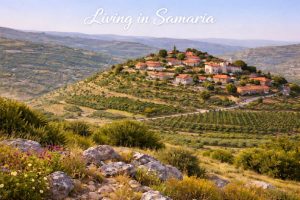 Living in Samaria is not a neutral lifestyle choice. It is a deliberate decision to build a life in the geographic and spiritual heartland of the Jewish people. Samaria, known in Hebrew as Shomron, stretches across the central mountain ridge north of Jerusalem and includes established cities, religious communities, agricultural villages, and growing neighbourhoods. For families seeking space, ideology, community cohesion, and long-term opportunity, living in Samaria offers a distinctive path.
This guide examines living in Samaria from historical, communal, economic, and strategic perspectives. It does not romanticise challenges, but it recognises that thousands of families choose this region precisely because it combines conviction with practicality.
Historical and Spiritual Foundations
Biblical Roots and Jewish Continuity
Samaria appears repeatedly in Tanach. The cities of Shechem (modern Nablus area), Shiloh, and Mount Gerizim are not abstract names; they are core locations in Jewish history. Shiloh housed the Mishkan for centuries before the First Temple in Jerusalem. Shechem is where Avraham first entered the Land and where Yosef is buried.
Living in Samaria connects residents directly to these foundational narratives. This is not symbolic geography. The landscape itself carries layers of Jewish memory. For many religious Zionist families, living in Samaria expresses a belief that Jewish sovereignty in these areas is not a political accident but a return to continuity.
Modern Zionist Return
Jewish presence in the region expanded significantly after 1967. Communities were established with government backing and grassroots activism. Today the area includes cities such as Ariel and numerous yishuvim affiliated with the Samaria Regional Council.
Living in Samaria today is therefore part of a modern Zionist story: building towns, schools, businesses, farms, and industrial zones in territory regarded by many residents as integral to the Land of Israel.
Geography and Environment
Mountain Climate and Open Space
Samaria sits on elevated terrain. Summers are generally cooler than in the coastal plain, and winters can be cold, sometimes with occasional snow in higher areas. The air quality is typically strong due to altitude and lower industrial density.
For families leaving crowded central cities, living in Samaria often means larger plots, open hills, and visible horizons. Children grow up with access to nature trails, vineyards, and agricultural landscapes rather than high-rise density.
Proximity to Central Israel
Contrary to assumptions, many Samaria communities are within commuting distance of central employment hubs. Travel times vary, but parts of western Samaria are 20–40 minutes from Petach Tikva, Kfar Saba, or even Tel Aviv in light traffic.
Living in Samaria therefore does not necessarily mean economic isolation. Many residents work in the centre while choosing to raise families in a more community-driven environment.
Community Structure and Social Fabric
Strong Communal Identity
One defining feature of living in Samaria is the strength of communal life. Many communities operate with active local committees, volunteer security teams, youth movements, and synagogue-centred social networks.
Religious Zionist ideology is common, though not exclusive. There are also secular and mixed communities. What unites many residents is a shared belief in building Jewish life with intention.
This often translates into higher volunteer engagement, communal events around Jewish holidays, and strong support systems during life events such as births, weddings, or crises.
Education and Youth Environment
Education is a core priority. The region includes religious elementary schools, yeshivot, ulpanot, and state schools. Parents choosing living in Samaria frequently cite educational atmosphere as decisive.
Schools tend to emphasise Jewish identity, connection to land, and Zionist values alongside standard curriculum requirements. Youth movements such as Bnei Akiva are active in many towns, reinforcing ideological and social cohesion.
Housing and Property Market
Pricing and Affordability
Compared to central Israel, housing prices in many Samaria communities remain lower per square metre. While prices have risen over the past decade, detached homes or larger apartments may still be more attainable than in Tel Aviv or Jerusalem.
Living in Samaria can therefore offer more space for similar or lower budgets. However, pricing varies significantly between established cities like Ariel and smaller ideological outposts.
Long-Term Investment Considerations
From an investment perspective, living in Samaria involves regulatory and political variables. Building approvals, infrastructure expansion, and international political pressure can affect market confidence.
That said, long-term residents often argue that demographic growth and continued government support make the area resilient. Infrastructure improvements, bypass roads, and industrial zones have strengthened economic sustainability.
Employment and Economic Activity
Industrial Zones and Local Employment
Samaria includes industrial zones employing both Jewish and Arab workers. Manufacturing, logistics, agriculture, and technology firms operate in certain areas.
While many residents commute, living in Samaria does not automatically require working elsewhere. Entrepreneurial activity is visible, especially in agriculture, wineries, and small businesses.
Remote Work and Hybrid Models
The rise of remote work has strengthened the appeal of living in Samaria. Professionals in technology, marketing, and consulting can maintain central or global clients while residing in lower-density communities.
For families prioritising space and ideology without sacrificing income potential, this shift has been significant.
Security and Reality on the Ground
Security Infrastructure
Security is a practical reality. Communities typically have perimeter fencing, guarded entrances, and coordination with the IDF. Volunteer rapid response teams operate in many towns.
Living in Samaria means accepting that security considerations are part of daily life. However, many residents describe this not as constant crisis but as structured preparedness.
Risk Assessment
There are periods of tension and occasional incidents. This must be acknowledged plainly. The question is proportional risk. Residents evaluate local threat levels, IDF presence, and specific community location.
For many families, the combination of ideological commitment and perceived manageable risk makes living in Samaria an acceptable choice.
Infrastructure and Public Services
Roads and Transportation
Major highways have improved connectivity in recent years. Bypass roads reduce friction points and shorten travel times. Public bus services connect to Jerusalem and central Israel, though frequency varies by community.
Infrastructure expansion is ongoing, though political decisions influence budgets and planning approvals.
Health and Municipal Services
Clinics, emergency services, and local municipal offices operate throughout the region. Larger medical facilities require travel to major cities, but routine care is accessible in most established communities.
Living in Samaria does not mean isolation from state services, though residents may need to plan for longer travel to tertiary hospitals.
Religious Life and Synagogues
Diversity Within Religious Zionism
Synagogue life is central in many communities. Nusach Ashkenaz, Sephardic, Yemenite, and mixed congregations exist. Torah study frameworks, shiurim, and communal prayer form part of the rhythm of daily life.
For observant families, living in Samaria can provide a dense and supportive religious infrastructure aligned with Zionist belief.
Holiday Atmosphere
Jewish holidays often carry intensified communal energy. Yom Ha’atzmaut and Yom Yerushalayim celebrations, for example, frequently emphasise national themes strongly felt in the region.
This atmosphere is a primary draw for families seeking a life embedded in Jewish time and land simultaneously.
Agriculture and Connection to the Land
Vineyards and Farming
Samaria has become known for wineries and agricultural initiatives. Hillsides host vineyards producing award-winning wines. Agricultural communities combine ideology with economic activity.
Living in Samaria often includes direct exposure to land cultivation, whether through professional farming or community agriculture projects.
Environmental Stewardship
Many residents emphasise environmental responsibility, maintaining hiking trails, preserving open spaces, and promoting ecological awareness within halachic frameworks.
This strengthens the sense that living in Samaria is not only about residence but about stewardship.
Demographic Trends and Growth
Population Expansion
The population in Samaria has grown steadily over decades. Young families, ideological couples, and price-sensitive buyers contribute to expansion.
Living in Samaria is not a declining experiment; it is a growing demographic reality.
Government Policy Impact
Growth depends partly on government policy regarding construction permits and infrastructure funding. Changes in political leadership can influence pace of expansion.
Residents therefore combine ideological optimism with awareness of policy risk.
Cultural and Social Life
Events and Local Initiatives
Community fairs, Torah lectures, sports leagues, and youth activities create active local culture. Smaller population density often strengthens participation rates.
Living in Samaria may mean fewer urban entertainment venues, but more intimate and participatory events.
Relationship with Wider Israeli Society
Samaria is politically contested within Israeli discourse. Residents sometimes feel misrepresented in national media. Yet economic and social integration with the broader Israeli population continues.
Living in Samaria involves navigating these tensions with clarity rather than denial.
Strategic and National Perspective
Territorial Significance
Samaria occupies high ground overlooking parts of central Israel. Many residents view its Jewish presence as strategically essential for national security.
Living in Samaria is therefore framed by supporters not merely as housing choice but as contribution to national resilience.
International Dimension
International opinion varies. Some governments oppose settlement expansion. This affects diplomacy but does not currently negate Israeli civil administration in the area.
Residents must understand that living in Samaria sits within an ongoing geopolitical debate.
Practical Considerations Before Moving
Due Diligence
Prospective residents should examine commute times, school options, community character, and security profile. Not all communities are identical. Some are more ideological, others more suburban.
Living in Samaria requires matching personal expectations with specific town characteristics.
Financial Planning
Mortgage availability generally aligns with Israeli banking standards, though lenders evaluate property location. Buyers should verify zoning, land registration, and building permits carefully.
As with any Israeli property transaction, legal review is essential.
Economic Development and Regional Industry
Ariel and the Urban Anchor
The city of Ariel functions as a major urban anchor in the region. With tens of thousands of residents, a university, shopping centres, and industrial zones, Ariel provides services and employment that reduce dependency on the coastal plain. For families considering living in Samaria, Ariel often represents a middle ground between small ideological yishuv and fully urban Israeli city.
Ariel University has expanded academic options locally and attracts students from across Israel. This academic presence strengthens cultural life, increases rental demand, and supports retail and service industries. For investors evaluating living in Samaria as both lifestyle and asset allocation decision, proximity to Ariel can influence property stability.
Industrial Zones and Cross-Community Employment
Industrial zones such as Barkan and others in the region host manufacturing plants, logistics hubs, and small technology firms. These zones employ both Jewish and Arab workers, creating economic interdependence that is often underreported in political discussions.
Economic pragmatism plays a quiet but important role in living in Samaria. Beyond ideology, livelihoods matter. The presence of functioning industrial ecosystems strengthens municipal budgets and supports community services.
Family Life and Raising Children
Childhood in a Low-Density Environment
Children growing up in Samaria typically experience more outdoor freedom than in high-rise urban centres. Streets are quieter, and many communities are built around cul-de-sac layouts that reduce traffic risk. Informal play spaces, synagogues within walking distance, and youth clubs create contained, walkable ecosystems.
For parents prioritising safety and communal familiarity, living in Samaria often aligns with a desire to raise children in a socially cohesive setting. Neighbours know one another. Teachers may also be community members. Social networks overlap in constructive ways.
Adolescence and Identity Formation
Teenage years in ideologically strong communities can reinforce identity clarity. Youth movements, Torah study frameworks, and community volunteering provide structure. For some families, living in Samaria helps anchor children within a Zionist worldview tied to land and national service.
However, responsible parenting still requires awareness of broader Israeli society. Families who thrive long-term tend to encourage both ideological confidence and openness to wider social engagement.
Transportation and Commuting Realities
Private Vehicle Dependence
In many communities, daily life depends on private vehicles. While bus lines connect to Jerusalem and central Israel, frequency and flexibility may not match metropolitan standards. Families with multiple working adults often require more than one car.
Living in Samaria therefore includes transport budgeting as part of household planning. Fuel costs, vehicle maintenance, and commuting time should be factored into overall affordability calculations.
Road Infrastructure Improvements
Over the past decade, bypass roads and security-oriented infrastructure have reduced friction and improved safety. Travel time to employment hubs has shortened for several western Samaria communities.
Infrastructure development directly influences property demand. As connectivity improves, more Israelis reconsider living in Samaria not only as ideological choice but as rational housing alternative.
Governance and Municipal Structure
Samaria Regional Council
The Samaria Regional Council oversees numerous communities, coordinating education, infrastructure, waste management, and regional planning. Municipal governance tends to be proactive, especially in advocating for development budgets from national ministries.
For residents, effective local governance contributes to stability. Living in Samaria means engaging with municipal processes that are often more participatory than in large cities.
Local Committees and Grassroots Engagement
Individual communities frequently operate through local committees responsible for cultural events, building approvals within community guidelines, and volunteer coordination. This can strengthen civic participation.
However, it also requires resident involvement. Families who prefer anonymity may find the visibility of communal life challenging. Those who value engagement often view it as a benefit of living in Samaria.
Real Estate Typologies and Building Patterns
Detached Homes and Garden Living
One practical attraction is access to detached or semi-detached homes with gardens. While not universal, this typology appears more frequently than in central urban cores.
Living in Samaria can therefore mean tangible lifestyle upgrades in terms of space per shekel. Larger kitchens, outdoor areas, and storage capacity appeal particularly to families with several children.
Apartment Developments
In larger towns, multi-storey apartment projects have increased. These developments aim to attract younger couples priced out of central Israel. Investors should evaluate developer reputation, infrastructure timelines, and long-term demand sustainability before purchase.
As supply expands, price appreciation may moderate. Therefore, living in Samaria should not be assumed as automatic short-term capital gain strategy. It is primarily lifestyle-driven.
Religious Diversity Within the Region
Religious Zionist Majority
Most communities align with Religious Zionist ideology, integrating Torah study with military service and civic participation. Synagogues often serve as central social hubs.
For observant families seeking ideological alignment, living in Samaria provides density of like-minded neighbours that may not be available in mixed urban areas.
Secular and Traditional Residents
It is inaccurate to describe the region as monolithic. Secular and traditional Jewish residents live in cities such as Ariel. Diversity exists within educational streams and community character.
Families considering living in Samaria should research specific towns rather than rely on generalised assumptions.
Healthcare Access and Emergency Preparedness
Local Clinics and Routine Care
Kupot Holim operate clinics in established communities. Routine medical care, paediatric services, and basic diagnostics are accessible without leaving the region.
More specialised care may require travel to Petach Tikva, Jerusalem, or Tel Aviv. Living in Samaria therefore demands planning for hospital access during serious emergencies.
Civil Defence Awareness
Due to regional realities, emergency preparedness awareness is higher than in some central areas. Communities conduct drills and maintain communication protocols.
While some may perceive this as burden, residents often view it as structured resilience. Living in Samaria integrates preparedness into normal civic life rather than treating it as exceptional.
Social Cohesion and Mutual Responsibility
Chesed Networks
Volunteer networks assist families during illness, childbirth, or bereavement. Meal trains, childcare rotation, and financial assistance frameworks operate informally and formally.
For many, living in Samaria offers tangible experience of communal responsibility rooted in Jewish values.
Conflict Resolution and Communal Challenges
Strong communities can also produce interpersonal tensions. Disputes over building expansion, educational direction, or ideological nuance occur. Healthy governance mechanisms are essential.
Successful long-term living in Samaria requires maturity in navigating communal disagreement constructively.
Security Context in Strategic Terms
Geographic Elevation and National Defence
Samaria’s elevation overlooking parts of central Israel holds strategic military significance. Many residents interpret Jewish presence in the region as contributing to national security depth.
From this viewpoint, living in Samaria is framed not only as private housing decision but as national service dimension.
Personal Risk Evaluation
Security incidents have occurred historically and may occur in future. Responsible decision-making requires realistic risk assessment rather than denial or exaggeration.
Families who choose living in Samaria typically do so after evaluating local security coordination, proximity to IDF bases, and community resilience capacity.
Education Beyond Primary School
Yeshivot and Ulpanot
Secondary religious education options are extensive. Many communities host or are near respected yeshivot and ulpanot attracting students nationwide.
This concentration reinforces ideological environment. Living in Samaria often allows children to remain geographically close to home during teenage years while receiving strong religious education.
Higher Education Access
Ariel University provides local higher education options in engineering, social sciences, and health fields. Students living at home reduce accommodation costs compared to central Israel.
For families calculating long-term affordability, this factor can strengthen the case for living in Samaria.
Economic Resilience and Property Liquidity
Market Liquidity Considerations
Property turnover rates may be slower in smaller ideological communities than in central Tel Aviv districts. Buyers should understand potential resale timelines.
Living in Samaria works best for medium- to long-term residents rather than speculative short-term investors.
Government Incentives
Certain areas may qualify for tax benefits or housing grants depending on classification. Policies change, so verification at time of purchase is critical.
Financial planning remains essential. Emotional motivation should not override due diligence.
Cultural Identity and National Holidays
National-Religious Integration
National days such as Yom Ha’atzmaut often carry strong communal participation. Flags, parades, and educational programmes emphasise integration of Torah and statehood.
For residents, living in Samaria embodies that synthesis in daily reality rather than annual ceremony.
Shabbat Atmosphere
Shabbat in many communities is quiet, walkable, and socially interconnected. Absence of heavy traffic reinforces family focus.
This weekly rhythm significantly shapes the lived experience of living in Samaria.
Environmental and Agricultural Innovation
Wineries and Agritech
The region’s vineyards and boutique wineries have gained international recognition. Agricultural innovation, including water management and desert-edge farming techniques, continues to develop.
Entrepreneurial residents integrate ideology with productivity, reinforcing the sustainability of living in Samaria beyond symbolic presence.
Land Preservation
Open landscapes remain central to regional character. Responsible planning aims to balance development with preservation.
Population growth will test this balance. Strategic planning must avoid uncontrolled sprawl.
Media Perception and Internal Confidence
Public Debate Within Israel
Samaria remains subject to intense debate in Israeli politics and media. Residents sometimes feel caricatured or misunderstood.
Living in Samaria therefore requires internal confidence and resilience in the face of criticism.
Personal Motivation
Families who move for purely financial reasons may struggle with external pressure. Those motivated by layered reasons — ideological, communal, practical — tend to demonstrate stronger long-term satisfaction.
Long-Term Outlook
Demographic Momentum
Population trends suggest continued growth, especially among young religious families. Birth rates and housing demand remain significant drivers.
Living in Samaria will likely remain a central component of Israel’s internal demographic landscape.
Political Variables
Future negotiations or diplomatic shifts could affect construction pace or legal frameworks. Residents must recognise that political risk exists, even if current governance supports expansion.
Strategic planning at family level should account for potential regulatory changes.
Final Perspective
Living in Samaria combines conviction with complexity. It offers space, communal strength, educational clarity, agricultural connection, and strategic depth. It also requires transport planning, security awareness, and political realism.
For many Jewish families, the decision reflects more than square metres or mortgage rates. It expresses attachment to ancestral land and commitment to shaping Israel’s future from its historical core.
Those who thrive in this environment typically approach living in Samaria with open eyes, disciplined financial planning, and firm ideological grounding. In return, they gain participation in a dynamic, growing region that sees itself not as peripheral, but as central to the Jewish story.
Israel Homes Is a Guide to Finding, Understanding, and Buying Property in Israel