
Overpriced Cities in Israel: Where Property Buyers Should Be Most Careful
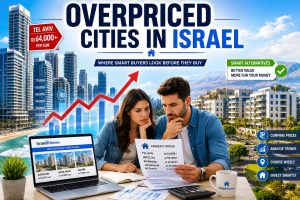 Israel’s property market has experienced significant price growth over the past two decades. Demand from local buyers, investors, new immigrants, and foreign purchasers has pushed housing prices upward across much of the country. However, not every city offers the same value. Some locations have become so expensive that many analysts and buyers now consider them among the Overpriced Cities in Israel.
Understanding the Overpriced Cities in Israel is important for anyone considering buying a home, making aliyah, investing in real estate, or relocating within the country. Paying too much for a property can reduce investment returns, increase mortgage costs, and create financial pressure for years to come.
This guide explores the most commonly discussed Overpriced Cities in Israel, why prices have reached current levels, and how buyers can identify whether a specific city still offers value in today’s market.
What Makes a City Overpriced?
Before identifying the Overpriced Cities in Israel, it is important to understand what “overpriced” actually means.
A city becomes overpriced when property prices rise faster than the factors that traditionally support those values, including:
- Average household income
- Rental yields
- Employment opportunities
- Infrastructure development
- Population growth
- Economic activity
In some cases, buyers continue paying premium prices because of reputation, prestige, or emotional appeal rather than underlying economic fundamentals.
This does not necessarily mean prices will collapse. Instead, it suggests that future price growth may be slower than in more reasonably valued areas.
Why Property Prices Have Risen Across Israel
Several factors have contributed to rising prices throughout Israel.
Limited Land Supply
Israel is a small country with a rapidly growing population. Much of the land is either protected, agricultural, military, or otherwise unavailable for residential construction.
Limited supply creates natural upward pressure on prices.
Population Growth
Israel’s population continues growing faster than many Western countries.
Growing demand naturally pushes prices higher, particularly in desirable locations.
Foreign Investment
Many foreign buyers purchase homes in Israel for investment, retirement, holiday use, or future aliyah plans.
This additional demand contributes to rising prices in several of the Overpriced Cities in Israel.
Low Housing Inventory
Housing construction has often struggled to keep pace with demand.
When inventory remains low, competition among buyers increases.
Tel Aviv: The Most Famous of the Overpriced Cities in Israel
No discussion of the Overpriced Cities in Israel would be complete without Tel Aviv.
Tel Aviv has become one of the most expensive cities in the world relative to local incomes.
Why Tel Aviv Is So Expensive
Several factors drive prices:
- High-paying technology sector
- International business presence
- Beachfront lifestyle
- Strong nightlife
- Employment opportunities
- Limited land availability
Apartments in central Tel Aviv frequently sell for prices that are difficult to justify based solely on rental income.
Investment Challenges
Rental yields in many Tel Aviv neighbourhoods remain relatively low compared with property prices.
Investors purchasing at today’s values may find it difficult to achieve strong cash flow.
Long-Term Outlook
Despite concerns, Tel Aviv remains Israel’s economic centre.
Although many consider it one of the leading Overpriced Cities in Israel, demand remains strong.
Herzliya: Prestige Comes at a Premium
Herzliya is often ranked among the most desirable places to live in Israel.
Herzliya Pituach, in particular, attracts wealthy Israelis, diplomats, technology executives, and foreign buyers.
Why Buyers Pay So Much
Factors include:
- Coastal location
- Luxury housing
- Marina access
- High-end schools
- Technology employment hubs
Many homes command prices significantly above comparable properties elsewhere.
Is Herzliya Overpriced?
Many analysts place Herzliya among the Overpriced Cities in Israel because local incomes often struggle to support current housing costs without substantial wealth.
Nevertheless, affluent buyers continue driving demand.
Jerusalem: Emotional Demand Drives Prices
Jerusalem presents a unique case.
Unlike purely investment-driven markets, Jerusalem benefits from emotional, religious, historical, and cultural demand.
International Demand
Foreign buyers frequently purchase apartments in:
- Rehavia
- Talbiya
- German Colony
- Baka
- Arnona
- Mamilla
Many purchasers are motivated by personal connection rather than investment returns.
Price Versus Rental Yield
Some neighbourhoods have prices that substantially exceed rental value.
This has led many experts to classify parts of Jerusalem among the Overpriced Cities in Israel.
Why Prices Stay High
Jerusalem enjoys:
- Religious significance
- Government employment
- Tourism
- Educational institutions
- International demand
These factors continue supporting elevated prices.
Ra’anana: The Anglo Premium
Ra’anana has become particularly popular among English-speaking immigrants.
Strong Anglo Demand
Many families moving from:
- United States
- United Kingdom
- South Africa
- Australia
prefer Ra’anana because of its strong English-speaking community.
The Premium Effect
Popularity among foreign buyers often creates a pricing premium.
Properties sometimes sell at values higher than comparable homes in nearby cities.
Because of this, Ra’anana is frequently included among the Overpriced Cities in Israel.
Future Considerations
The city remains attractive, but buyers should carefully compare prices with neighbouring communities.
Modiin: Family Demand and Rising Prices
Modiin has become one of Israel’s most sought-after family cities.
Why Prices Increased
Key factors include:
- Central location
- Modern infrastructure
- Family-friendly planning
- Excellent transportation
- Strong schools
Value Concerns
Although Modiin offers excellent quality of life, some analysts believe pricing has moved ahead of underlying fundamentals.
As a result, it occasionally appears on lists of Overpriced Cities in Israel.
Netanya: Coastal Demand Creates Price Pressure
Netanya has experienced significant growth over the past decade.
Foreign Buyer Influence
French and English-speaking buyers have contributed heavily to demand.
Many overseas purchasers seek:
- Holiday homes
- Retirement properties
- Investment apartments
Rising Property Values
Beachfront developments have achieved exceptionally high prices.
Some areas now rival much more established luxury markets.
Consequently, Netanya increasingly appears among discussions regarding Overpriced Cities in Israel.
Givatayim: Small City, Big Prices
Givatayim benefits from its proximity to Tel Aviv.
Advantages
Residents enjoy:
- Central location
- Good transportation
- Urban lifestyle
- Access to employment
Pricing Concerns
In many cases, Givatayim prices approach Tel Aviv levels despite offering fewer employment and entertainment advantages.
This has led many observers to classify it among the Overpriced Cities in Israel.
Ramat Gan: Following Tel Aviv’s Lead
Ramat Gan has benefited greatly from Tel Aviv’s expansion.
Growth Drivers
- Business district development
- Light rail infrastructure
- Urban renewal projects
- Proximity to Tel Aviv
Are Prices Sustainable?
While development supports higher values, some neighbourhoods now trade at prices that many buyers consider difficult to justify.
Therefore, Ramat Gan is often included in conversations about the Overpriced Cities in Israel.
Why Buyers Continue Purchasing in Overpriced Cities in Israel
If these cities are expensive, why do buyers continue purchasing there?
Lifestyle Considerations
Many buyers prioritise:
- Schools
- Community
- Employment
- Religious institutions
- Transportation
Limited Alternatives
Desired neighbourhoods often have very limited supply.
Competition pushes prices upward.
Emotional Decisions
Property purchases are not always purely financial.
Many buyers are willing to pay premiums for:
- Family proximity
- Religious significance
- Community ties
- Prestige
Risks of Buying in Overpriced Cities in Israel
Slower Future Appreciation
When prices are already high, future growth may be more limited.
Lower Rental Returns
Many of the Overpriced Cities in Israel offer rental yields below national averages.
Higher Mortgage Burden
Larger purchase prices require larger mortgages.
This increases financial risk if interest rates rise.
Reduced Flexibility
Buyers allocating too much capital to housing may have fewer resources available for investments, business opportunities, or retirement planning.
Alternatives to the Overpriced Cities in Israel
Buyers seeking better value may consider emerging locations.
Ashkelon
Ashkelon offers:
- Coastal lifestyle
- Lower entry prices
- Continued infrastructure investment
Be’er Sheva
Be’er Sheva benefits from:
- University presence
- Technology investment
- Government development initiatives
Hadera
Hadera provides:
- Central location
- Rail connections
- More affordable housing
Karmiel
Karmiel offers significantly lower property prices while maintaining strong quality of life.
Afula
Afula continues attracting buyers seeking affordability and growth potential.
How Foreign Buyers Should Evaluate Overpriced Cities in Israel
Foreign buyers often face additional challenges.
Avoid Emotional Purchases
Many overseas buyers fall in love with a city during a short visit.
A professional evaluation should accompany emotional enthusiasm.
Compare Rental Returns
Calculate realistic rental yields before purchasing.
Examine Comparable Sales
Recent transactions often reveal whether sellers are asking excessive prices.
Consider Long-Term Goals
A city may appear expensive but still make sense if it aligns with personal objectives.
The Impact of Interest Rates on Overpriced Cities in Israel
Interest rates play a major role in determining property affordability.
Higher rates typically affect expensive cities first because buyers rely more heavily on financing.
If rates remain elevated, some of the Overpriced Cities in Israel could experience slower price growth compared with more affordable markets.
Are Overpriced Cities in Israel a Bad Investment?
Not necessarily.
Many expensive cities remain attractive because they offer:
- Strong demand
- Limited supply
- International appeal
- Economic stability
However, buyers should distinguish between a great city and a great investment.
A wonderful place to live may not always provide the best financial return.
How to Find Value Within Overpriced Cities in Israel
Even within expensive markets, opportunities exist.
Strategies include:
- Purchasing older apartments
- Targeting urban renewal projects
- Buying before transportation improvements are completed
- Looking beyond the most fashionable neighbourhoods
- Negotiating aggressively
Experienced buyers often discover opportunities even in the most expensive markets.
Market Cycles and the Future of Overpriced Cities in Israel
One important factor that buyers often overlook is that property markets move in cycles. The Overpriced Cities in Israel have experienced periods of rapid growth, slower growth, and occasional stagnation. While Israel has generally seen long-term appreciation in residential property values, not every city performs equally during every market cycle.
When economic conditions are strong, employment is growing, and mortgage financing is readily available, buyers tend to focus on desirable locations regardless of price. During these periods, the Overpriced Cities in Israel often experience some of the fastest price increases because demand concentrates in the country’s most prestigious areas.
However, when borrowing becomes more expensive or economic uncertainty increases, affordability becomes a larger concern. Buyers begin looking for alternatives that offer more space, newer properties, or lower monthly mortgage payments. This shift can benefit secondary cities while reducing demand growth in expensive markets.
For this reason, investors should not assume that the cities which performed best during the previous decade will automatically outperform during the next decade.
Infrastructure Projects Can Change the Value Equation
While some cities are considered among the Overpriced Cities in Israel today, infrastructure improvements can help justify higher prices over time.
Israel continues investing heavily in transportation networks, including:
- Light rail systems
- Railway expansions
- Highway upgrades
- Public transportation improvements
- Urban renewal programmes
Improved accessibility often increases demand and can support property values.
For example, areas benefiting from new rail connections to Tel Aviv may become more attractive to commuters. A city that appears expensive today could become more reasonably valued if employment access and transportation options improve significantly over the coming years.
Buyers should therefore examine not only current prices but also future development plans.
The Difference Between Expensive and Overpriced
Many people mistakenly assume that expensive automatically means overpriced.
This is not always true.
Some locations command premium prices because they genuinely offer unique advantages that cannot easily be replicated elsewhere.
For example:
- Beachfront property remains limited.
- Historic neighbourhoods cannot be recreated.
- City-centre locations are inherently scarce.
- Established communities often maintain strong demand.
The distinction between expensive and overpriced is critical when evaluating the Overpriced Cities in Israel.
A city may be expensive because demand substantially exceeds supply. In that situation, high prices may be justified.
A city becomes truly overpriced when prices rise beyond what future buyers are likely to support.
Understanding this difference can help buyers make more informed decisions.
What New Immigrants Should Know
Many new immigrants arriving in Israel focus immediately on well-known Anglo communities.
This is understandable. Familiarity, language support, schools, synagogues, and community networks make the transition easier.
However, concentrating exclusively on these areas can lead buyers to pay significantly more than necessary.
Some immigrants purchase property within weeks of arrival without fully understanding the broader Israeli market.
A more cautious approach may include:
- Renting first
- Exploring multiple cities
- Comparing neighbourhoods
- Understanding transportation options
- Evaluating local employment opportunities
For many families, nearby communities may provide similar lifestyles at considerably lower prices.
This is especially relevant when considering the Overpriced Cities in Israel, where the “Anglo premium” can increase purchase prices substantially.
Luxury Markets and Price Distortion
Luxury real estate plays an important role in creating the perception of the Overpriced Cities in Israel.
High-profile transactions often attract media attention and influence market expectations.
When luxury penthouses, sea-view apartments, and prestigious villas sell for record prices, sellers throughout the city may adjust their expectations upward.
However, luxury transactions do not always reflect the broader housing market.
A multimillion-shekel penthouse purchased by an international buyer may have little connection to the financial realities facing local families.
Buyers should therefore focus on:
- Comparable local transactions
- Average prices per square metre
- Rental market performance
- Long-term affordability
Rather than relying on headline-grabbing sales.
Demographic Trends Affect Future Pricing
Population growth remains one of the strongest drivers of Israeli real estate demand.
Cities that continue attracting young families, professionals, and immigrants often maintain strong housing markets.
Demographic trends can therefore influence whether today’s Overpriced Cities in Israel remain expensive or eventually become more reasonably valued.
Key factors include:
- Birth rates
- Migration patterns
- Employment opportunities
- Educational institutions
- Urban development plans
Cities with growing populations may continue supporting high property values despite affordability concerns.
Conversely, locations experiencing slower population growth may struggle to justify exceptionally high prices over the long term.
Building a Long-Term Property Strategy
Rather than focusing solely on whether a city is one of the Overpriced Cities in Israel, buyers should develop a comprehensive property strategy.
Important questions include:
- How long do you plan to own the property?
- Will the property be owner-occupied or rented?
- What is your mortgage affordability level?
- Are you prioritising lifestyle or investment returns?
- How important is future appreciation?
A family planning to remain in a city for twenty years may evaluate property very differently from an investor seeking maximum returns.
Long-term ownership can reduce the impact of short-term market fluctuations and make premium prices easier to justify.
Comparing Price Per Square Metre
One useful method for analysing the Overpriced Cities in Israel is comparing average price per square metre.
This allows buyers to evaluate how much housing they receive for their investment.
In some cities, buyers may pay significantly more while receiving only marginal lifestyle improvements.
For example, moving a short distance from a premium city to a neighbouring municipality can sometimes reduce purchase costs dramatically while maintaining access to the same employment centres and transportation infrastructure.
Price-per-square-metre comparisons can reveal opportunities that are not immediately obvious when buyers focus solely on city reputation.
The Importance of Professional Advice
Property purchases in Israel involve substantial financial commitments.
Because the Overpriced Cities in Israel often involve multimillion-shekel transactions, professional guidance becomes even more valuable.
Buyers should consider consulting:
- Real estate agents
- Property appraisers
- Mortgage advisers
- Real estate attorneys
- Tax specialists
Professional advice can help identify whether a property’s asking price reflects genuine market value or seller optimism.
In competitive markets, objective analysis often prevents costly mistakes and improves long-term financial outcomes.
Conclusion: Understanding Overpriced Cities in Israel
The debate over Overpriced Cities in Israel will continue as housing demand remains strong throughout the country. Cities such as Tel Aviv, Herzliya, Jerusalem, Ra’anana, Modiin, Netanya, Givatayim, and Ramat Gan frequently appear on lists of the Overpriced Cities in Israel because property values have risen far faster than incomes, rental yields, and traditional valuation measures. Nevertheless, these locations continue attracting buyers due to employment opportunities, strong communities, prestige, lifestyle benefits, and limited housing supply.
For property buyers, investors, and new immigrants considering homes in Jerusalem, Tel Aviv, Herzliya, Netanya, Ra’anana, Modiin, Ashkelon, Be’er Sheva, Hadera, and other Israeli cities, the key is not simply identifying the Overpriced Cities in Israel but understanding whether the premium being paid is justified by personal goals and long-term financial plans. Careful research, realistic budgeting, professional advice, and comparison with alternative markets can help buyers avoid overpaying while still finding the right property in Israel’s competitive real estate market.